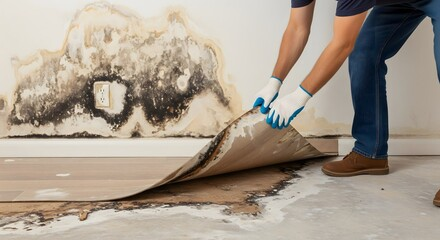
Water damage can result from a variety of events, including burst pipes, severe rainstorms, or even floods. This type of damage can cause a host of issues, such as household mold.
Household mold can take hold in as little as 24 hours after water damage, so it’s important to know the steps to take to prevent and treat this problem. Visit Website for more details.
Remove Moisture
One of the most important things you can do to prevent mold after water damage is to remove any moisture as quickly as possible. Mold can grow within 72 hours of a water event, and if it isn’t addressed immediately, it can lead to structural issues and affect indoor air quality.
If you are unsure how to remove excess moisture, it’s always best to contact a professional who can inspect the property and use industrial strength equipment to dry surfaces and objects. It’s also recommended that you wear protective gloves when working with any materials or tools, and if the moldy areas are large, you may want to consider wearing a mask.
Aside from removing standing water, you can also prevent mold by ventilating the area and using fans or dehumidifiers to reduce the amount of moisture in the air. Opening windows to allow air flow is another great way to circulate the space and keep humidity levels low.
It’s important to examine any affected surfaces and items for signs of mold growth, and to throw away any soaked or stained items that can’t be cleaned. Aside from rotting or warping, moldy items can cause health problems if inhaled or touched. One of the most dangerous household molds, Stachbotrys, thrives on cellulose materials such as wood, paper, fabric, and food.
Additionally, you should take steps to keep water away from your building, such as cleaning roof gutters regularly and ensuring the ground slopes away from foundation walls. Water buildup can cause flooding, leaks, and cracks, which will also encourage the growth of household mold. It’s also important to have an outdoor drain for rainwater and snowmelt, so that it doesn’t pool around your building’s foundation and seep into the basement or crawlspace.
Disinfect Surfaces
Using detergent solutions and specialized cleaning methods, the restoration experts will disinfect surfaces and materials that are wet. This includes items like drywall, carpet, insulation material, paper and cardboard, leather, paper and textile furniture, and some foods.
These disinfectants kill the microscopic mold spores that float in the air and feed on moist surfaces. They also help prevent fungus from returning after water damage remediation has been completed. This is a critical step to ensure the home will be safe for you and your family to live in once again.
If contaminated water was the source of the water damage, such as from sewage or toxic chemicals, these disinfectants may be stronger. The experts will use EPA-registered antimicrobial solutions that are specifically formulated to kill bacteria and other microorganisms without damaging the underlying materials.
After all surfaces are clean, the team will check for hidden moisture that may not be visible to the naked eye. This is done by using a moisture and humidity meter, which are small hand-held devices that can be purchased at most hardware stores.
If there is still a lot of moisture in the house, the experts will use powerful pumps and vacuums to remove it as quickly as possible. They will also use specialized equipment to dry materials and structures, such as electric heaters and dehumidifiers. The experts will also take care to protect electrical, plumbing and septic systems from water damage, as well as close any valves that are exposed to water. They will also store soaked or damaged items outside the home until insurance claims can be processed. This will help speed up the water damage restoration process and reduce the risk of future mold growth.
Dehumidify Areas
Humidity and mold are an insidious duo that can wreak havoc on your home and create health issues for you and your family. The best way to prevent them is to keep humidity levels below 60%, especially in areas that are often damp like bathrooms and kitchens. However, even when moisture is kept to a minimum, mold can still grow in hidden, neglected corners. If you have a ceiling that has been water damaged, it’s crucial to dry the area right away. This can be done using dehumidifiers and fans and opening windows if weather permits. It’s also important to remove any porous materials that can’t be fully dried, such as drywall, insulation and carpeting. This is because they will retain moisture and become a breeding ground for mold spores.
A professional restoration company can help you prevent and mitigate issues like mold growth after a flood, heavy rain, or leaks. They will use specialized equipment to remove excess water, disinfect surfaces and remove any affected materials. They will also use a variety of high-powered cleaners to kill mold spores, which can then be removed with a vacuum and/or dry mop.
When choosing a restoration contractor, be sure to look for a company that has a high level of certification and experience in water damage repair and remediation. It’s also important to choose a company that follows all safety protocols and understands insurance claims. They should be able to provide you with detailed reports that are easy to read and understand. They should also be able to schedule a mold test after they finish working to ensure that all areas have been dried thoroughly and that no pockets of contamination remain.
Remove Damaged Materials
Generally, it’s best to replace any items that have sustained severe water damage. Leaving these damaged materials in place can provide a breeding ground for mold, spores, and other bacteria. In addition, mold can eventually damage building materials. For example, wood framed walls and floors are susceptible to damage as mold grows and feeds on the organic material that makes up these structural elements. Mold can also weaken and discolor certain fabrics, such as drywall and carpeting. This can lead to a costly reconstruction process, not to mention the loss of valuable items.
Unless they are reusable, porous materials, such as carpet and ceiling tiles, should be removed and discarded. Nonporous surfaces, including wood and drywall, can usually be cleaned with a bleach solution, but it is essential to dry these surfaces thoroughly. It’s important to follow the instructions listed on cleaning product labels and to wear protective gear, such as gloves and a mask, during this process.
It’s also important to address the moisture issue that caused the initial water damage in order to prevent mold from reoccurring. For example, sloping the ground and roof of your home or business can help keep moisture from pooling and encouraging mold growth. It is also a good idea to use fans and dehumidifiers, especially in areas that are prone to condensation, such as bathrooms and kitchens.
While these steps are a great start, it is always best to have a professional perform the water damage restoration and mold remediation process. This can ensure that the underlying cause of the water damage is corrected and that the area is completely dried before replacing any materials. Additionally, a mold expert can ensure that any remaining spores are killed before they have the opportunity to grow into a full-blown infestation.
Apply Mold-Resistant Paint
Mold grows in moist environments, like those caused by flooding or leaks. It spreads as spores move through air currents and land on damp surfaces and objects, growing where they settle. This is why it is so important to address water damage promptly and start the remediation process as soon as possible to prevent mold growth.
It takes only 24-48 hours for mold to begin forming in the presence of moisture and organic material. This is why it’s crucial to call in a water restoration professional as soon as possible after any type of water damage occurs.
During the remediation process, water experts will work to remove any standing water in the affected areas. They will also dry out the spaces by opening windows and using fans and dehumidifiers to reduce humidity levels and promote proper airflow. Once the space is completely dry, a technician can apply a mold-inhibiting cleaning agent to all surfaces and items. It’s important to wear protective gloves and mask during this process.
After cleaning and disinfecting a surface, it’s important to coat the area with a mold-resistant paint. These coatings are formulated with antimicrobial agents and fungicides that inhibit the growth of mold, mildew, and other microorganisms. They are also low- or zero-VOC options, improving indoor air quality. They are ideal for bathrooms, kitchens, basements, laundry rooms, and other high-moisture zones.
Even dead mold spores can cause adverse health effects in certain individuals, especially those with respiratory issues or immunocompromised. Mold exposure can result in symptoms such as coughing, sneezing, skin rash, and eye irritation. This is why it’s essential to contact a water restoration professional as soon as possible when experiencing water damage in your home or business.
Visit our Professional Services Blogs
Courtney Roberts Home, All Portland, Edward Lower Accounting, Trade Link Media Communications, Airconditioning Xperts, Clear Remediation, Deck Garden Furniture, Best Heating And AC Repair Covington WA, Absolute Heating And AC Repair Glendale, Trendy Mobile Designs, Kendall Lakes Tree Care, Palmetto Bay Tree Care, Jersey City Family Law Firm